If you've seen those clever tent attachments that connect to the back of a vehicle and wondered what they're all about, you're not alone. Car boot tents have become increasingly popular with Australian campers looking for versatile, quick-pitch shelter options that make the most of their existing vehicle.
What Is a Car Boot Tent?
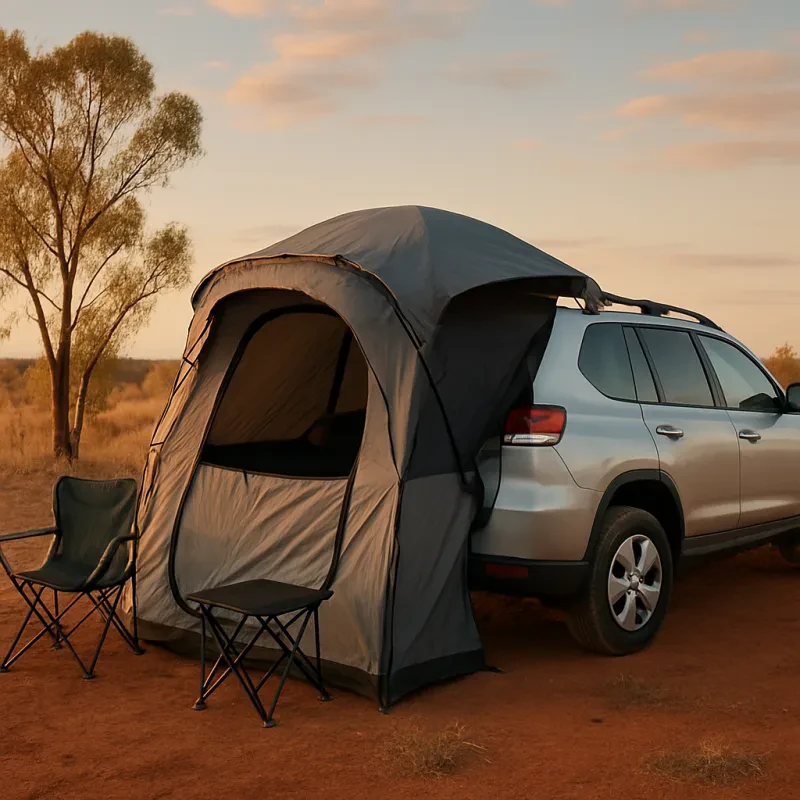
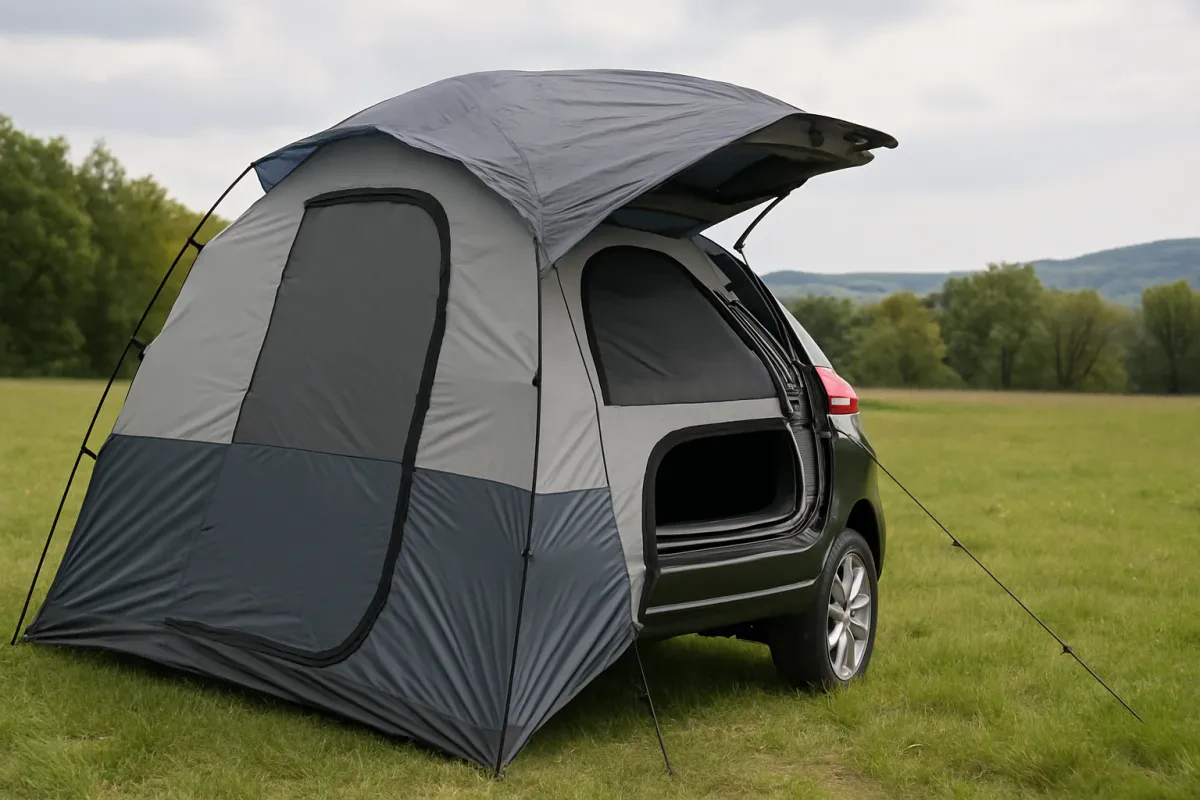
A car boot tent is a shelter that attaches directly to the rear of your vehicle, creating an enclosed living or sleeping space that uses your car's boot as an integral part of the setup. Unlike a traditional freestanding tent, these designs connect to your SUV, hatchback, wagon, or even some sedans, essentially extending your vehicle's usable space.
The tent typically attaches via adjustable straps, clips, or sleeves that secure around the open tailgate or boot lid. When properly set up, you get a weatherproof connection between your vehicle and the tent, allowing you to move between the two without stepping outside—particularly handy during those sudden Australian downpours.
How Car Boot Tents Work
The basic principle is straightforward. You park your vehicle, open the boot or tailgate, and attach the tent's vehicle interface to the rear opening. Most designs use:
- Adjustable straps that wrap around the tailgate and clip or buckle into place
- Elastic sleeves that slip over the boot lid edges
- Pole systems that create the tent structure and maintain tension
- Guy ropes and pegs to stabilise the overall setup
The tent creates a sealed connection with your vehicle, forming either a sleeping area, storage space, or changing room depending on the model and how you choose to use it.
Types of Car Boot Tents
SUV Tents
These larger models suit four-wheel drives, SUVs, and similar vehicles with higher ride heights. They typically offer more headroom and floor space, making them practical for families or when you need substantial covered area for gear storage.
Hatchback Tents
Designed for lower vehicles like hatchbacks and wagons, these tents account for the reduced clearance and typically feature a lower profile. They're often more compact when packed and lighter overall.
Tailgate Tents
This term generally refers to tents that attach to any vehicle with a rear-opening door or tailgate. It's essentially a catch-all category that includes both SUV and hatchback-compatible designs.
The terminology overlaps considerably—many products marketed as "SUV tents" will also work on hatchbacks with minor adjustments, and vice versa.
When a Car Boot Tent Makes Sense
Weekend Trips and Overnighters
For short camping trips where you want minimal setup time, a car boot tent offers genuine convenience. You can pitch most models in under ten minutes once you've done it a few times, which beats wrestling with a full-size family tent after a long drive.
Festival and Event Camping
When camping at music festivals, sporting events, or similar gatherings where space is limited and you're parked in designated areas, these tents make efficient use of your parking spot without requiring additional ground space for a separate tent.
Rainy Conditions
The covered connection to your vehicle means you can access gear, change clothes, or move items without exposure to rain. This is particularly useful in tropical Queensland during the wet season or in Victoria's unpredictable alpine weather.
Solo Travellers and Couples
If you're travelling light with just one or two people, a tent for car camping can provide adequate sleeping space while keeping your vehicle available for secure storage of valuables and equipment.
Base Camp Setup
Some campers use a car boot tent as a sheltered annex or gear storage area whilst sleeping in the vehicle itself or in a separate tent. This approach maximises dry storage and creates a useful buffer zone.
When a Traditional Tent Might Be Better
Car boot tents aren't the solution for every situation. Consider alternatives when:
You Need to Use Your Vehicle
Once the tent is attached, your vehicle is essentially grounded. If you need to drive to different locations during your stay—for day trips, supply runs, or exploring—you'll either need to pack down the tent each time or leave it unattended at camp.
You're Camping with Larger Groups
Most car boot tents accommodate one to three people comfortably. Families or groups will likely need additional shelter anyway, at which point a larger freestanding tent might prove more practical.
You're Wild Camping in Remote Areas
In dispersed camping situations where you might want to park your vehicle some distance from your actual camp (to minimise environmental impact or for other reasons), the attachment requirement becomes a limitation.
Extended Stays
For longer camping trips where you want to establish a proper base camp and still have vehicle mobility, a traditional tent setup usually offers more flexibility.
What to Consider When Choosing
Vehicle Compatibility
Check the manufacturer's specifications carefully. Most tents list compatible vehicle types, tailgate dimensions, and height ranges. Measure your vehicle's boot opening and compare it to the tent's attachment interface specifications.
Setup Requirements
Some models require you to keep your boot or tailgate open at a specific angle, which can drain your battery if interior lights remain on. Look for designs that work with your vehicle's light setup, or be prepared to disable interior lights during use.
Weather Resistance
Australian conditions vary dramatically. If you're camping in the Top End during the wet season, you'll want different weatherproofing than someone doing winter trips in Tasmania. Check seam sealing, floor bathtub height, and pole strength ratings.
Packed Size and Weight
If you're already carrying camping gear, rooftop loads, or towing, every kilogram matters. Compare packed dimensions and weight between models—some pack down considerably smaller than others.
Ventilation
Condensation can be an issue in any tent, but it's particularly noticeable when you're essentially camping in your car's exhaust zone. Look for models with good mesh ventilation panels and air vents.
Floor Design
Some car boot tents have sewn-in floors that create a fully enclosed space. Others feature removable or partial floors, giving you the option to use them as awnings or open shelters. Consider which suits your typical camping style.
Practical Setup Tips
Choose Your Spot Carefully
Unlike a freestanding tent, you can't easily reposition a car boot tent once it's up. Take time to select a level spot that won't puddle in rain, and consider morning sun direction if you're not an early riser.
Practice at Home
Set up your car boot tent in the driveway before your first trip. You'll identify any compatibility issues, missing components, or confusing instructions while you've got time to sort them out.
Manage Your Vehicle's Electronics
Work out how to disable interior boot lights to prevent battery drain. Most vehicles have a manual override, but check your owner's manual if you're unsure.
Allow for Airflow
Don't seal the tent completely against your vehicle in warm weather. A small gap with mesh protection allows air circulation and reduces condensation while still keeping insects out.
Secure Everything
Even if conditions seem calm, peg out all guy ropes and use additional weights or tie-downs if camping in exposed locations. Australian weather can change quickly, particularly in coastal and alpine areas.
Maintenance and Care
After each trip, set up your car boot tent at home to dry thoroughly before packing it away. This prevents mould and mildew, which develop quickly in Australia's humidity. Wipe down any mud or dust from both the tent and the attachment points.
Check the attachment straps and buckles regularly for wear, as these components experience the most stress during setup and take-down. Replace any damaged components promptly to maintain a secure connection to your vehicle.
Store the tent loosely in a breathable bag rather than compressed in its stuff sack for long-term storage. This helps maintain the fabric's waterproofing and prevents permanent creasing.
Finding the Right Car Boot Tent
When you're ready to explore options, browsing through available [SUV / Hatchback / Tailgate Tents](SUV / Hatchback / Tailgate Tents) gives you a sense of the design variations and price ranges currently available. Pay attention to the specifications around vehicle compatibility, dimensions, and included features rather than focusing solely on price.
Consider your typical camping scenarios—where you go, how long you stay, and whether you camp solo or with others. The right car boot tent for weekend beach trips along the NSW coast will differ from what works best for extended outback travel or alpine camping in the Snowy Mountains.
Final Thoughts
A car boot tent offers a practical middle ground between swag camping and full tent setups, particularly for campers who value quick deployment and the convenience of vehicle access. They work brilliantly in specific situations—short trips, festival camping, or as part of a larger camp setup—but they're not a universal replacement for traditional tents.
Understanding what these tents do well and where their limitations lie helps you decide whether one suits your camping style. For many Australian campers who take frequent short trips or want a simple shelter solution that packs down small, a quality car boot tent becomes an invaluable piece of kit.