Car Tents Buying Guide for Australian Camping
Camping in Australia has changed a lot over the past decade.
More people are travelling by car.
More people want faster setup, better shelter, and fewer hassles at camp.
That shift has driven the rise of vehicle-based tent systems.
Instead of pitching on uneven ground, campers are now using their vehicle as part of the setup.
This guide explains how those systems work, who they suit, and how to choose the right option for Australian conditions.
This is a practical buying guide.
Not a product list.
Not a sales pitch.
By the end, you’ll know which type of setup fits your vehicle, your camping style, and the way you actually travel.
What Is a Car Tent?
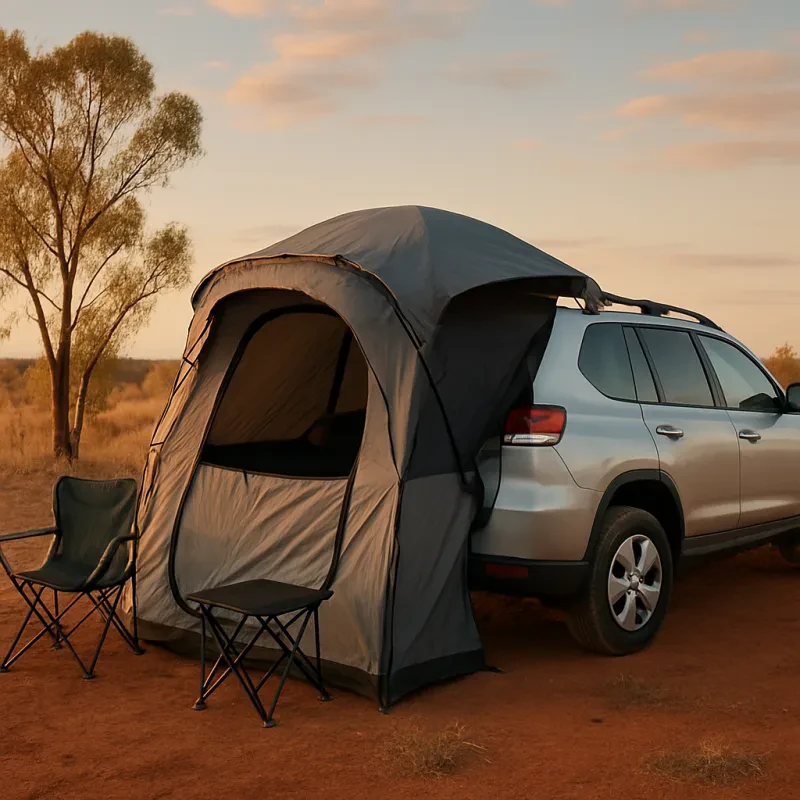
A vehicle-attached tent is a shelter that connects directly to your car, SUV, or ute rather than standing alone.
The vehicle provides structure, height, and stability.
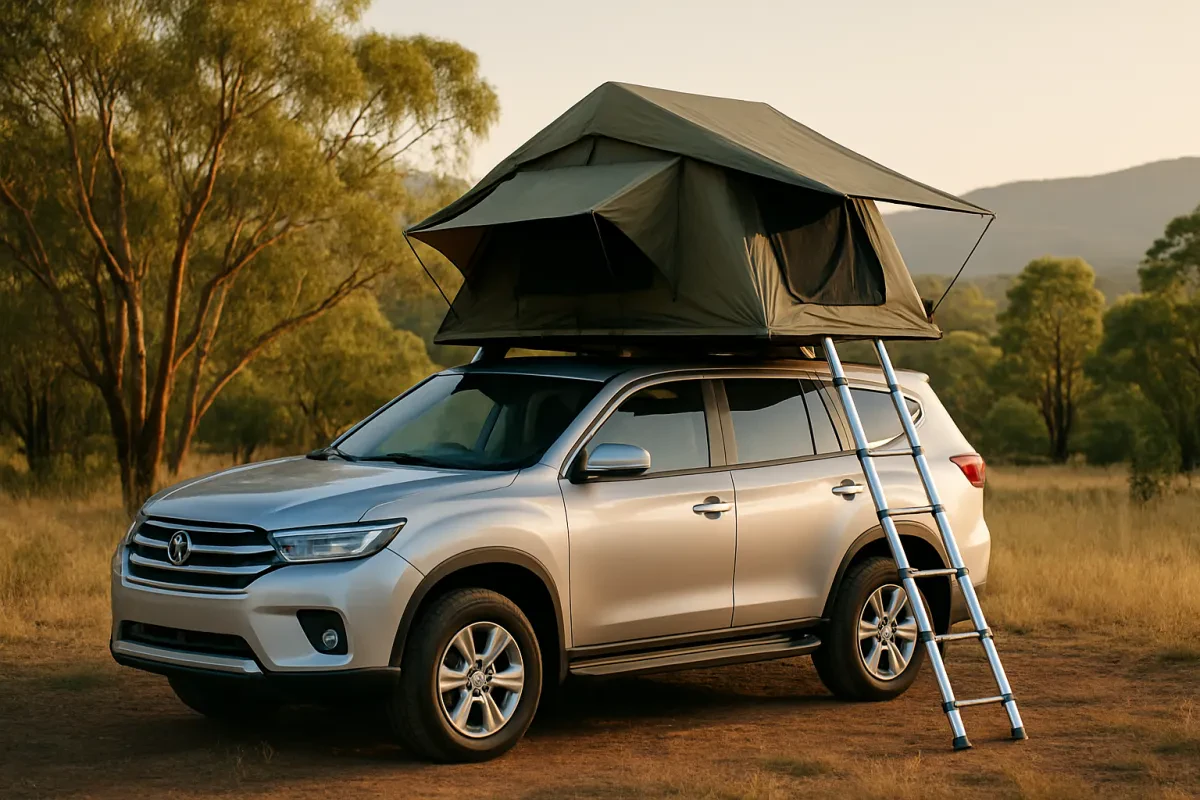
Unlike rooftop setups, these tents stay on the ground.
They attach to the rear, side, or roofline of the vehicle and extend outward to create a sheltered sleeping and living space.
The main benefit is convenience.
You’re not clearing ground.
You’re not guessing peg placement.
You’re using the car you already drove to camp as part of the shelter system.
If you want to explore the full range of available options, you can browse the main car tents category to see how these systems are grouped and classified.
Types of Vehicle-Attached Tents Explained
There isn’t a single design that suits everyone.
Most setups fall into a few broad categories, each designed around different vehicle shapes and travel styles.
SUV-Attached Designs
These connect to the rear or side of an SUV or wagon.
They usually rely on the tailgate or rear door opening as the main access point.
They’re popular with travellers who want interior access to their vehicle while sheltered.
Tailgate-Based Designs
Tailgate setups are common for utes and hatchbacks.
The tent attaches around the open tailgate, creating a sealed sleeping area that extends from the back of the vehicle.
Vehicle-Mounted Ground Systems
Some designs mount partially to the vehicle but rely more heavily on poles and pegs.
These offer flexibility but require a bit more setup time.
Each type has trade-offs.
The right choice depends on your vehicle, your camping frequency, and how much setup work you’re happy to do.
Vehicle Compatibility: What Fits Your Setup
Vehicle shape matters more than most people expect.
The same tent won’t work equally well on every car.
SUVs and wagons usually offer the easiest fit because of their height and rear access.
Hatchbacks can work well but often require careful sizing.
Utes provide excellent space but depend heavily on tailgate dimensions.
If your primary use case involves rear-mounted systems designed around hatchbacks, wagons, or utes, it’s worth reviewing the dedicated SUV and tailgate tents collection, which focuses specifically on those compatibility factors.
Before choosing any setup, measure:
Rear door height.
Tailgate width.
Ground clearance.
These measurements matter far more than brand names or marketing claims.
How to Choose the Right Vehicle-Based Tent
Choosing the right setup comes down to how you actually camp, not how you imagine camping.
Number of Campers
Solo travellers can prioritise compact setups.
Couples need room to move.
Families should think about head height and access space.
Setup Time
Some systems pitch in minutes.
Others require poles, guy lines, and more adjustment.
If you move camp often, speed matters.
Weather Protection
Australian camping means heat, wind, and sudden rain.
Look for designs that handle airflow without sacrificing weather sealing.
Storage and Transport
Think about where the tent lives when not in use.
Boot space, roof storage, and packing size all matter on long trips.
The best choice is the one you’ll actually use, not the most complex one.
Vehicle-Attached Tents vs Ground Tents
Traditional ground tents still have their place.
But vehicle-attached systems solve specific problems.
Advantages
Faster setup.
Better access to gear.
Less reliance on perfect ground conditions.
Trade-Offs
You need to park carefully.
You’re more vehicle-dependent.
Not every campsite suits every vehicle layout.
For road trips and touring, the convenience often outweighs the limitations.
Australian Camping Conditions to Consider
Australia isn’t gentle on camping gear.
Design matters.
Heat is a major factor.
Ventilation and airflow are critical in warmer regions.
Wind exposure is common in coastal and outback areas.
Look for designs that anchor well and manage gusts.
Rain can be sudden and heavy.
Water management around vehicle attachment points is essential.
Dust is unavoidable.
Sealed joins and quality materials make a big difference over time.
These conditions are why choosing the right system matters more here than in milder climates.
Common Mistakes First-Time Buyers Make
Many first-time buyers repeat the same errors.
Assuming one size fits all vehicles.
Ignoring door swing and clearance.
Choosing based on photos rather than measurements.
Another common mistake is underestimating setup space.
Some designs need more room around the vehicle than expected.
Avoiding these mistakes saves frustration later.
Who Should Choose a Vehicle-Attached Tent?
These systems aren’t for everyone, but they’re ideal for certain campers.
They suit travellers who move camp frequently.
They work well for road trips and touring.
They’re popular with people who value speed and simplicity.
If you prefer staying in one place for long periods, a large ground tent may still make sense.
But for mobile camping, vehicle-attached setups offer real advantages.
Final Thoughts: Choosing the Right Setup
The right camping shelter matches your vehicle, your travel style, and the environments you explore.
Vehicle-attached tents aren’t about luxury.
They’re about practicality.
By understanding the different designs, compatibility factors, and Australian conditions, you can choose a setup that makes camping easier rather than harder.
Use this guide as a foundation.
Once you know what type suits you, browsing category collections becomes far more useful and far less overwhelming.