Best Car Tents for Australian Camping
Camping styles vary widely across Australia.
Some people head out for weekend escapes.
Others plan long road trips across multiple states.
Because of that, there’s no single “best” camping shelter for everyone.
The right choice depends on how you travel, where you camp, and how often you move.
This guide looks at the most common Australian camping scenarios and explains when vehicle-attached tent setups make sense, and when they don’t.
Weekend Camping and Short Trips
For quick getaways, setup speed matters more than almost anything else.
Arriving late on a Friday night or packing up early Sunday morning leaves little time for complicated gear.
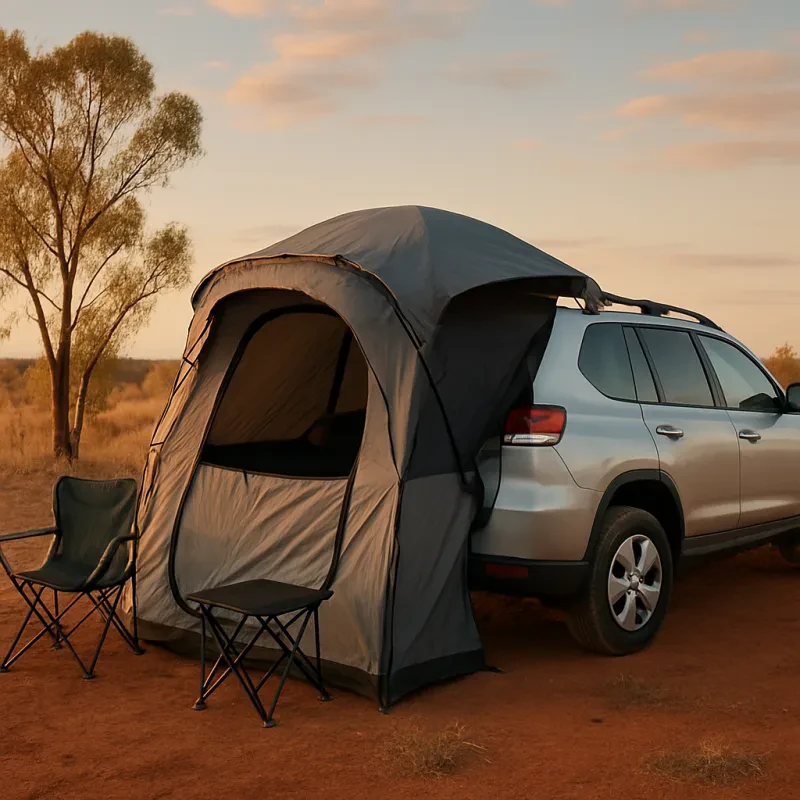
This is where car tents for camping shine.
They’re designed for fast deployment and minimal fuss, using the vehicle as part of the structure.
For campers who move frequently and value simplicity, vehicle-attached setups often reduce stress rather than add to it.
Road Trips and Touring
Long-distance travel places different demands on camping gear.
You may be setting up and packing down every day.
Storage, accessibility, and consistency become important.
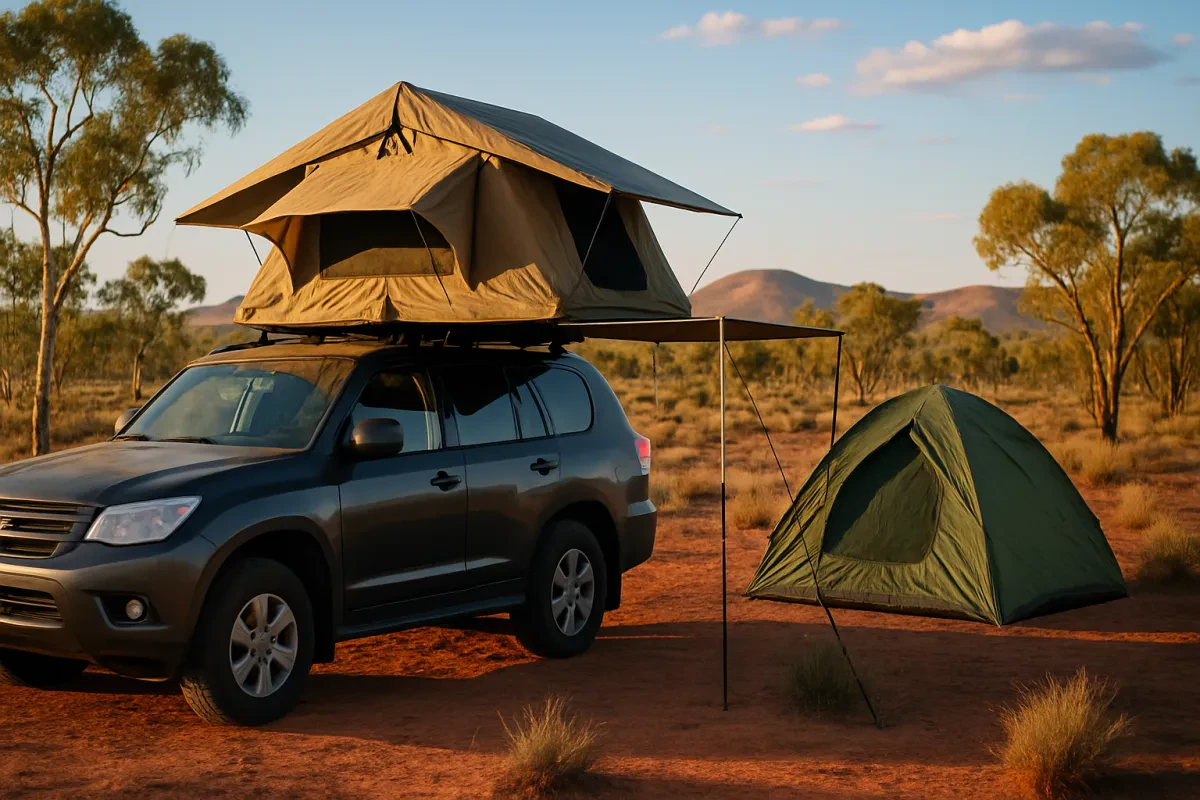
Vehicle-attached systems work well in these situations because they integrate sleeping space with transport.
Gear stays close.
Packing routines become predictable.
For extended touring, reducing daily setup friction can make a noticeable difference to overall trip enjoyment.
Camping With SUVs, Hatchbacks, and Utes
Vehicle shape plays a major role in determining what type of setup works best.
SUVs and wagons usually provide the most flexibility due to their height and rear access.
Hatchbacks can work well but require more careful sizing.
Utes often rely on tailgate-based designs.
If your camping setup revolves around these vehicle types, it’s worth understanding how SUV and tailgate tents differ in fit and layout before committing to a particular style.
Family Camping
Families need space, but they also need organisation.
Access to the vehicle for storage, food, and gear becomes more important with multiple people.
Vehicle-attached setups can simplify this by keeping everything connected.
Parents often appreciate being able to access gear without leaving the shelter.
However, larger families may still prefer multi-room ground tents if staying in one place for longer periods.
Solo and Couple Camping
For solo travellers and couples, simplicity often wins.
There’s less need for large internal spaces and more focus on speed and efficiency.
Vehicle-attached tents suit these use cases well, especially for spontaneous trips or flexible itineraries.
Being able to set up quickly and pack down without hassle makes short trips more appealing.
Remote and Off-Grid Camping
Remote camping introduces additional considerations.
Uneven ground.
Limited space.
Exposure to weather.
Vehicle-attached systems reduce reliance on perfect ground conditions, but they do require careful vehicle positioning.
In remote areas, choosing the right campsite becomes as important as the shelter itself.
When a Vehicle-Attached Setup May Not Be Ideal
These setups aren’t perfect for everyone.
If you prefer staying in one location for several days, a traditional ground tent may offer more flexibility.
If campsite parking is restricted, attachment options may be limited.
Understanding these limitations helps avoid choosing a setup that doesn’t match how you actually camp.
Choosing Based on How You Camp
The best camping setup isn’t about trends or popularity.
It’s about fit.
If your trips involve frequent movement, road travel, and reliance on your vehicle, vehicle-attached tents make sense.
If you value flexibility and longer stays, traditional options may still suit you better.
Knowing your camping style first makes browsing categories far more effective later.